
Why Serial Numbers and Certificates of Authenticity Matter in Silver Collecting
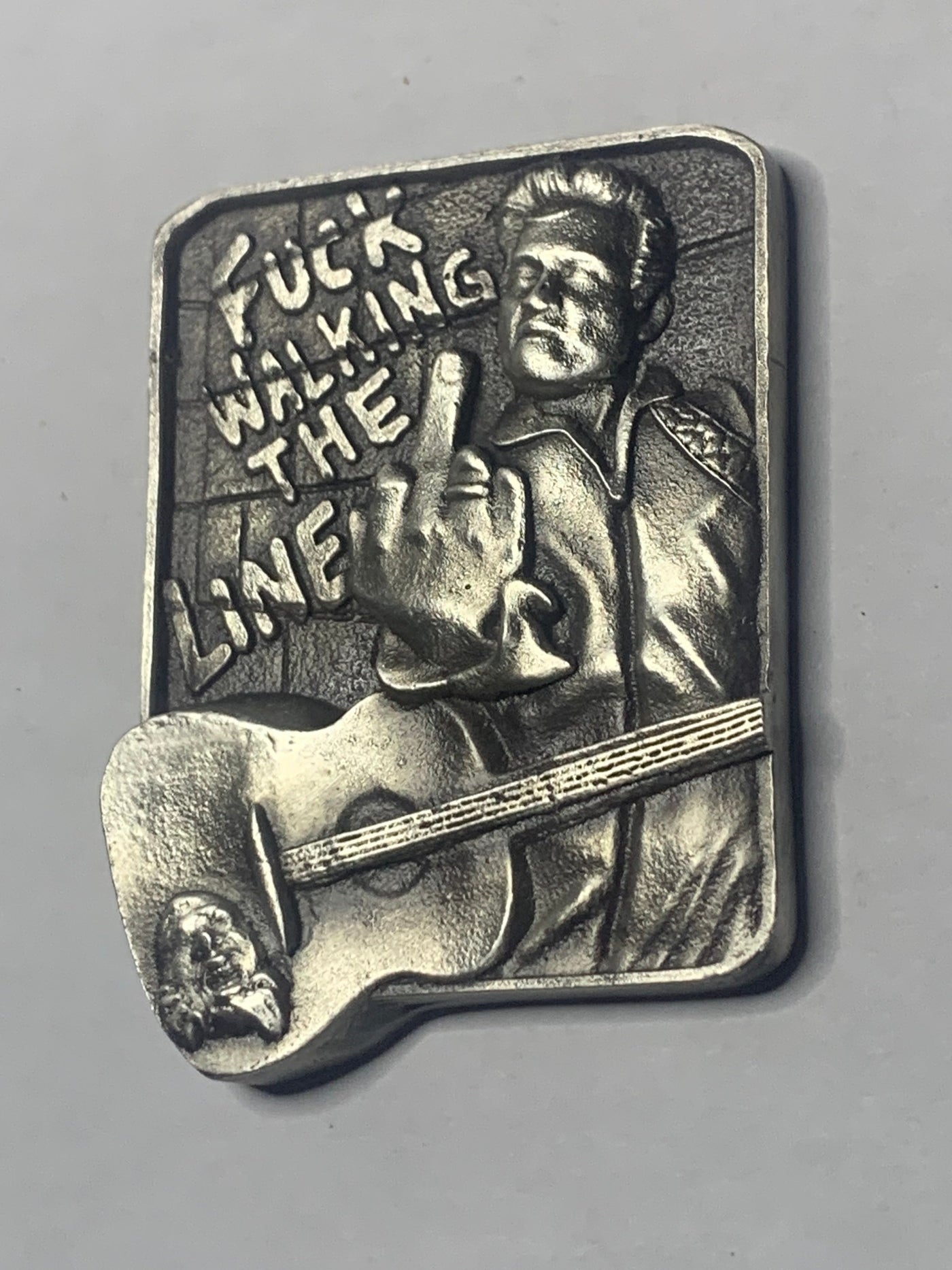
When you buy a silver collectible, two small details do most of the heavy lifting on what it's worth — now and years from now. One is the serial number engraved into the piece. The other is the certificate of authenticity that comes with it. Here's why both matter more than most buyers realize.
A Serial Number Ties the Piece to Its Mintage
Generic bullion is interchangeable. One 1 oz round is the same as the next, and its value tracks the silver spot price and nothing else. A serialized collectible is different: the number proves your piece is one of a known, limited run. That scarcity is what lets a collectible carry a premium above melt value.
Without serialization, there's nothing stopping a mint from producing an "limited" design indefinitely. The engraved number is the mint putting its count on the record.
It Makes Your Piece Individually Identifiable
If a piece is ever lost or stolen, a serial number is what turns "a silver skull statue" into a specific, traceable item. It's also what lets you prove provenance when you resell — a buyer can match the number on the piece to the number on the paperwork.
A Certificate of Authenticity Documents the Metal
A proper COA states the fineness, the weight, and the serial number of the specific piece it accompanies. That's three independent facts a future buyer would otherwise have to take on faith or test themselves.
Watch for COAs that only name the design and not the individual piece. A certificate that could apply to any unit in the run documents the product, not your item.
Resale Value Depends On Keeping Them Together
This is the part collectors learn the expensive way. A serialized piece sold without its certificate is worth measurably less than the same piece with matching paperwork — often the difference between a collector price and a melt price. Store the COA with the piece, not in a drawer somewhere.
What to Ask Before You Buy
- Is each piece individually serialized, or just stamped with a design number?
- Does the certificate list the fineness, weight, and that specific serial?
- What was the total mintage, and is it capped?
- Is the serial engraved into the metal, or printed on a sticker or card only?
A mint that can answer all four quickly is one that keeps records. A seller who gets vague on mintage numbers is telling you something.
Every Tormint piece is hand-poured in .999 fine silver, laser-engraved with its fineness and a unique serial number, and ships with a metal certificate of authenticity listing the item, weight, and serial. Browse the collection →